




Arts
Read More ›
A Lack of Empty Spaces Forces the Seattle Storefronts Program to Adjust
With Seattle real estate at a premium, one arts group is working in the margins

This article originally appeared in the October 2014 issue of Seattle magazine.
When the Seattle Storefronts program took its first steps in 2010, the city was still climbing back from the economic downturn. Papered windows and empty storefronts with dusty For Lease signs were a common sight in retail areas. Shunpike, a local nonprofit devoted to helping artists with the business side of art, saw a win-win in putting temporary art installations in these empty spaces: Artists get a free, public place to display their work, and businesses get a cleaned-up, compelling storefront, one that attracts pedestrians and might even entice a full-time renter. Agreements with landlords were reached (with Shunpike acting as tenant), artist applications were selected, and Storefronts Seattle was launched, first in Pioneer Square. A clear community benefit, the program quickly expanded to several other neighborhoods.
Then the cranes came back. The towering steel mascots of Seattle’s skyrocketing density signaled the demise of empty storefronts. “Originally, with all the vacant real estate, the program was mutually beneficial,” says Anne Blackburn, Storefronts manager. “But now it’s harder to find vacant real estate, especially for free. We have to come up with a wider variety of projects to sustain ourselves, and be more agile.” Having provided a showcase for 180 artists, Shunpike’s Storefronts program now finds itself looking for a new angle. In the start-up world, it’s called pivoting—maintaining the organizational vision, but adapting the business strategy to market behavior. “We’re working on Storefronts 2.0,” Blackburn says. “Rapidly expanding cities have opportunities—but they’re all in the margins. I’ve tried to work in all the margins I can find.”
With old empty spaces getting snapped up, Blackburn has begun looking at unused space in new buildings, such as those dominating South Lake Union. For reasons that are unclear, many of the buildings that Amazon occupies contain street-level vitrines—tall, shallow, glass-fronted display cases. Since Amazon has no storefront presence, they sat empty until Shunpike struck a deal to place pop-up art in eight of the vitrines. The first SLU Storefronts installations began in November 2013; as in other neighborhoods, installations run for about four months, ample time for passing techies to take a look.
Blackburn says she’s been encouraging SLU Storefronts artists to think about the rapid development in that neighborhood when conceptualizing their pieces, to bring a sense of history to this shiny new world. The current roster of SLU artists and works (which will remain up through October 15) includes Kelly June Mitchell’s “Hollow Home,” in which suspended paper houses, just out of reach, speak to a nostalgic longing for comfort. Paul Komada’s “Going Cascade” is a large-scale knitted map of the U.S., with stripes reflecting westward movement to the Pacific Northwest—ages-old migrations and the current rush of tech workers. Bradly Gunn’s “Reflections of Future’s Past” is a series of historical photos of South Lake Union in which he erased buildings that have been torn down and abstracted the images to evoke the current state of the neighborhood.
The vitrines not only look beautiful—as if they were intended for art all along—they bring street-level visual interest to an area known best for the computer activity thrumming beyond view. Along with a new set of recently activated window bays at the Meydenbauer Center in Bellevue, the vitrines also represent about 70 percent of the sites currently available for Storefronts artists.
“We need to get more creative with how we use the spaces that are here,” Blackburn says. Accordingly, she believes we’ll see more Storefronts projects in the vein of one that took place on Capitol Hill last year. Developer Stream Real Estate approached Shunpike about making artistic use of a 15th Avenue Chutney’s restaurant slated for demolition. Shunpike, in turn, invited artist Greg Lewis to create “Boxed Up,” which involved cladding the entire building in wooden slats from shipping pallets. The piece created quite a buzz. “I received all types of responses,” Lewis says. “Some folks thought I was building a new bar, others thought I was boarding up the building to avoid vandalism, and some saw it as an art statement. It was great to be an instigator for public discourse and conversation about art and issues affecting the community.”
Blackburn reports that this installation experienced the most neighborhood engagement because it was brought out from behind the glass. While this type of pop-up comes with greater liability and cost, the discussion it inspires among the people who stumble upon it is exactly what can help ensure art remains a vibrant part of the changing city. Using “Boxed Up” as an example, Blackburn is taking a proactive stance with developers, working to create “symbiotic relationships” and prompting them to think about ways street-level art can be a boon. “You have to incentivize it,” Blackburn says, noting, for example, that businesses appreciate the fact that light and sound are deterrents to crime and can improve neighborhood safety.
In addition to working with developers, Shunpike continues to seek out unused spaces at the margins. “I don’t think urban areas will ever run out of nooks and crannies,” Blackburn says. In fact, Shunpike recently made an agreement with the Seattle Center to place pop-up installations in the Fountain Rooms, starting in mid-October.
Making space for art in the face of cranes, condos and unreasonable rents is daunting—and an issue of real import for Seattle at this juncture. But Blackburn remains hopeful. “Culture happens,” she says. “Culture is not going to stop. But you can help it succeed.”
COORDINATES
Visit storefrontsseattle.com for installation updates, and save the date for the next SLU Storefronts art walk and guided tour: 12/5, 6 p.m. Meet at the intersection of Boren Avenue N and John Street.
Follow Us
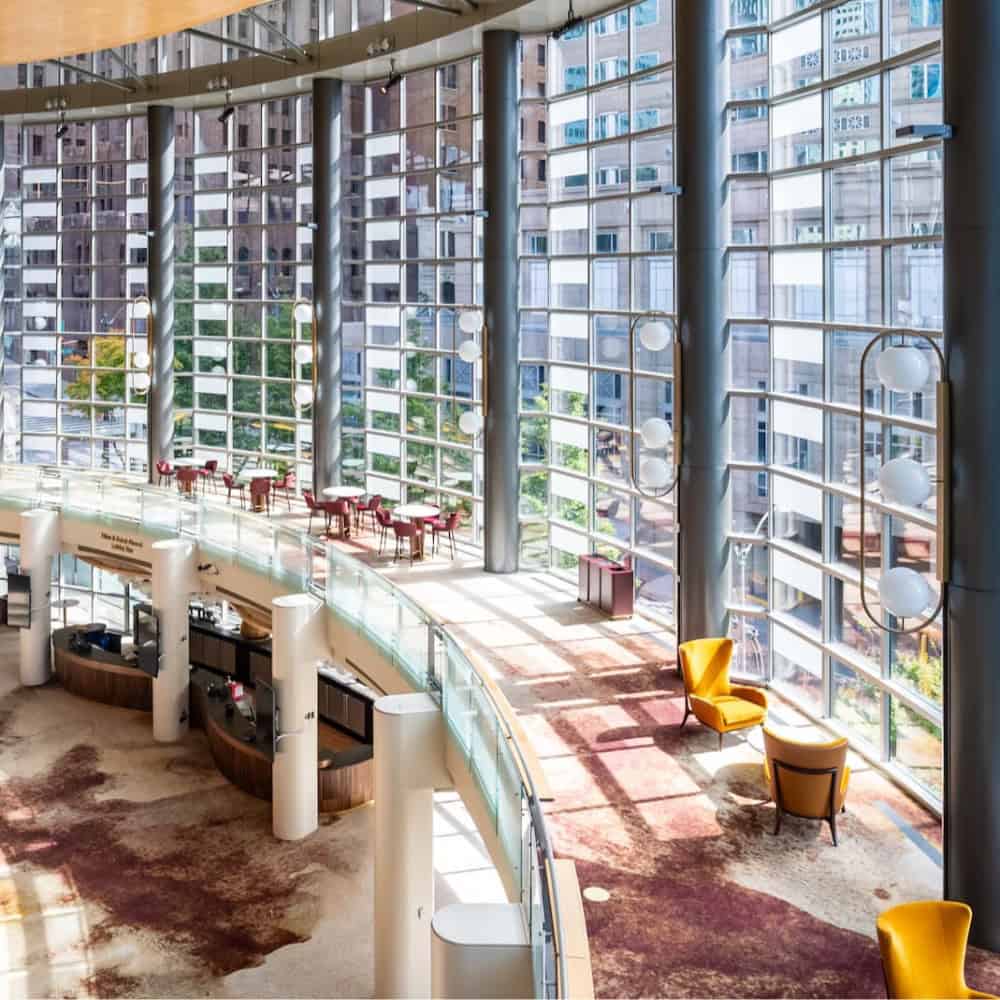
Rearview Mirror: Wedding Bells, A Furniture Launch, and the Symphony’s New Look
Things I did, saw, ate, learned, or read in the past week (or so).
WEDDING BELLS I’ve been a bit absent from this column lately, but I think I have a pretty good excuse: I got married! It’s already been three weeks since my September 19 wedding, but I’m still reflecting on the magic of the day. My fiancé, well husband now (I can’t get used to saying it!),…
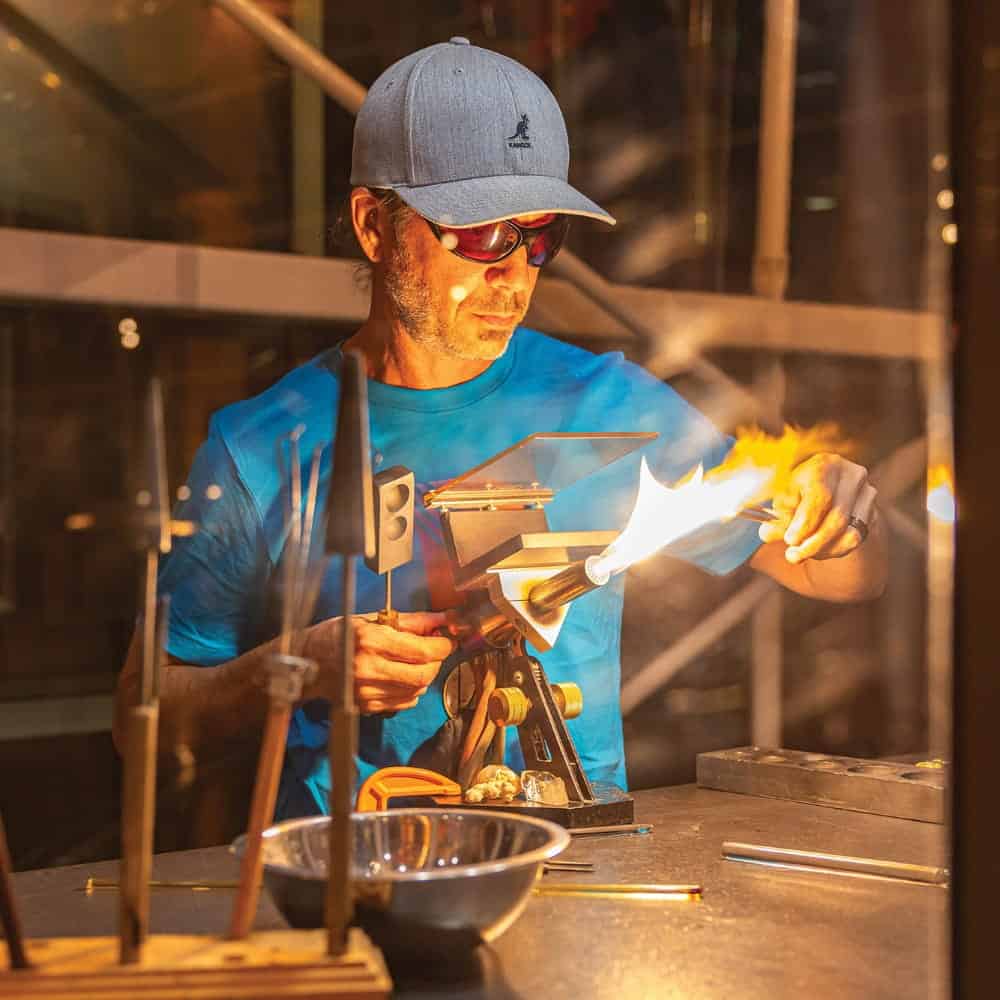
Get Blown Away: Seattle’s Glass Art Scene Takes Center Stage
Now in its 8th year, Refract Seattle is the region’s premier celebration of glassblowing—arguably the most famous visual art genre in the Pacific Northwest. Pioneered by names like Dale Chihuly, Ginny Ruffner, Lino Tagliapietra, and Preston Singletary, glassblowing has remained among the area’s most prolific creative outputs, with contemporary talents such as John Hogan, Julie…

Kishi Bashi Is Ready to Feel Everything
Ten years after Sonderlust pushed his music in a new direction, he’s bringing the pivotal album to The Crocodile—and playing it in full for the first time.
Back in March of 2012, I snagged a last-minute ticket to see Of Montreal at the Showbox. As amazing as Kevin Barnes and company were, along with tourmates Deerhoof, the biggest impression made on me was the opener, Kishi Bashi. Armed with little more than a violin, a loop pedal, and a pristine voice, Kishi…
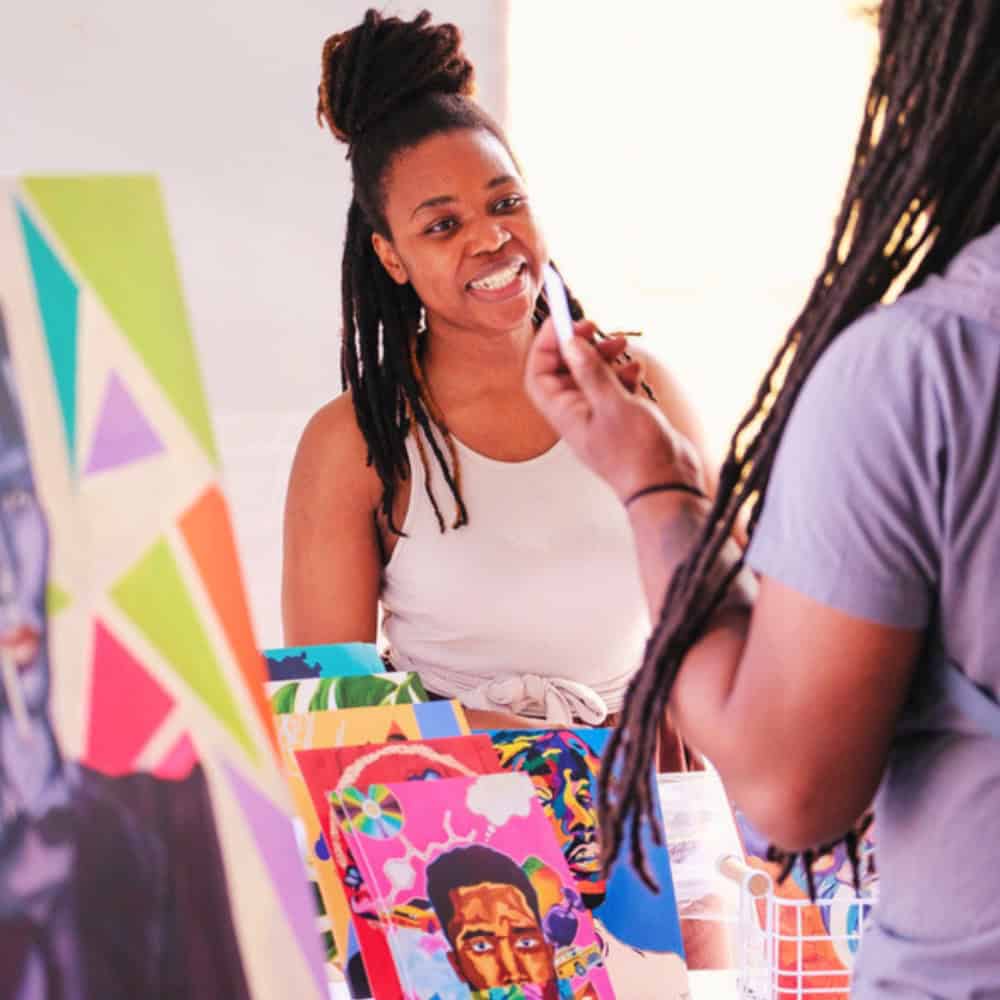
Seattle’s Artists of Color Expo Offers an Inside Look at the Creative Life
The October 9-11 gathering features live art-making and hands-on workshops, with Seattle artist Damon Brown delivering the keynote.
More than 100 artists participate each year in Seattle’s Artists of Color Expo & Symposium (ACES), which brings exhibitions, artist talks, live art-making, and workshops under one roof. Visitors can learn a technique from an artist or hear how a childhood memory became the starting point for a piece. This year’s event takes place October…