




Arts
Read More ›
New Memoir: Confessions of a Latter-Day Virgin
Seattle writer Nicole Hardy publishes a memoir of faith and fidelity to oneself

This article originally appeared in the August 2013 issue of Seattle magazine.
While talking with West Seattle writer Nicole Hardy about her new memoir, Confessions of a Latter-Day Virgin, I mention British installation artist Tracey Emin and her famously controversial piece consisting of a camping tent, on which she embroidered the names of 102 people she had “slept with” (32 in the sexual sense). Hardy, 41, whose Mormon faith and singlehood kept her a virgin well into age 36, quips, “My tent would be a Barbie tent.”
It’s this combination of candor, self-consciousness and humor that makes Hardy’s book such a good read—and one that’s relatable even if you don’t share her specific circumstances. Raised by a loving Mormon family, she followed Mormon tenets, but, from a young age, felt discounted by the religion’s emphasis on marriage and motherhood as a woman’s primary purpose. Naturally self-sufficient, Hardy had always dreamed of a career as a writer, had no interest in kids—and a visceral longing to be with a man. She engaged in flirtations and demure flings, but the sparks of her relationships always died out: Mormon men found her too independent, and non-Mormons were freaked out by her faith (especially the celibate-until-marriage part). As she continued to attend church into her 20s and 30s, she was devastated to realize, “There is no place in that community for a single woman who doesn’t want children.”
Hardy wrote about her crisis of faith in a 2011 essay for the “Modern Love” column in The New York Times. In the piece, she speaks movingly about her desire for a career and for intimate relationships with men—and her real hope that the church would still accept her as a child of God—and how it just wasn’t an option. “My only available choice within the church was to wait for my reward in heaven, as Mormon doctrine promises that single members denied marriage, family and sex lives on earth will have them after death,” she writes in the piece. “Needless to say, this wasn’t a compelling argument.” She decided to leave the church (and get an IUD).
The column received more than 100 comments within three days of its publication, and Hardy received at least 100 more via direct emails—some from Mormons urging her to stay faithful, that she’d find a husband when she least expected it; some outright hate mail calling her a whore (she opened the piece with her first trip to Planned Parenthood to get contraception); but thankfully, by far, the greatest number of responses were gushingly supportive. “What surprised me the most was how many gay Mormons and other Christians—and 30-year-old Catholic virgins—reached out and said, ‘You’re telling my story,’” she recalls. “Before, I thought I was the only one.”
Agents and editors immediately contacted Hardy, asking her to tell her full story in a memoir—a thrilling but alarming prospect, she says. (Primarily a poet, with two published collections under her belt, she had never written a creative piece longer than 10 pages.) Several interested parties were hoping to frame her story as chick lit with a Sex and the City vibe—a quirky Mormon writer hell-bent on losing her virginity. But with an M.F.A. in writing from Bennington College and as a particular fan of celebrated authors Tobias Wolff, Amy Hempel and Lorrie Moore, Hardy knew she wanted her book to feel like literature.
Her story is engrossing—not just because the impending virginity loss looms between the lines—but because Hardy writes so convincingly about how difficult it was for her to leave the church’s embrace and instead espouse a liberated lifestyle and career. While questioning the faith, she never engages in Mormon bashing (she was troubled when commenters on her “Modern Love” story used it as an excuse to lambast the church) and fully recognizes how the faith helped her parents grow a strong family.
One of Hardy’s main concerns was how leaving the church—and later, writing openly about it—would affect her parents, with whom she is very close. She worried, “Are my parents going to be judged harshly by their church family for this?” She also worried about them being heartbroken by her rejection of the faith that saved them, as young converts. But her parents have been remarkably supportive. “My parents both know what it’s like to have a broken family,” Hardy says, “and they don’t want that.”
That doesn’t mean she’s eager for them to read the book. “No parent wants to hear their daughter’s virginity-loss story,” she says, laughing. Although she was careful to fact-check her description of her parents’ personal history with them, she has kept other parts of the book—including the close calls prior to the big event—private. “They’re getting a Reader’s Digest version,” she says.
Having completed the memoir (and the audio version), Hardy says she’d like to “get out of the first person for a while.” She’s written a children’s book (about a girl with a unique talent) and wants to spend some time refocusing on her poetry. But, she confesses, her real dream is to be “a female David Sedaris,” living abroad, writing essays and touring to read them aloud. The subject matter? “Humorous stories with sad, serious heart,” she says. “I like to get people laughing, and then punch them in the stomach.” Hear Nicole Hardy read from her memoir:
8/23. 6:30 p.m. Free. Richard Hugo House, 1634 11th Ave.; 206.322.7030; hugohouse.org
Follow Us
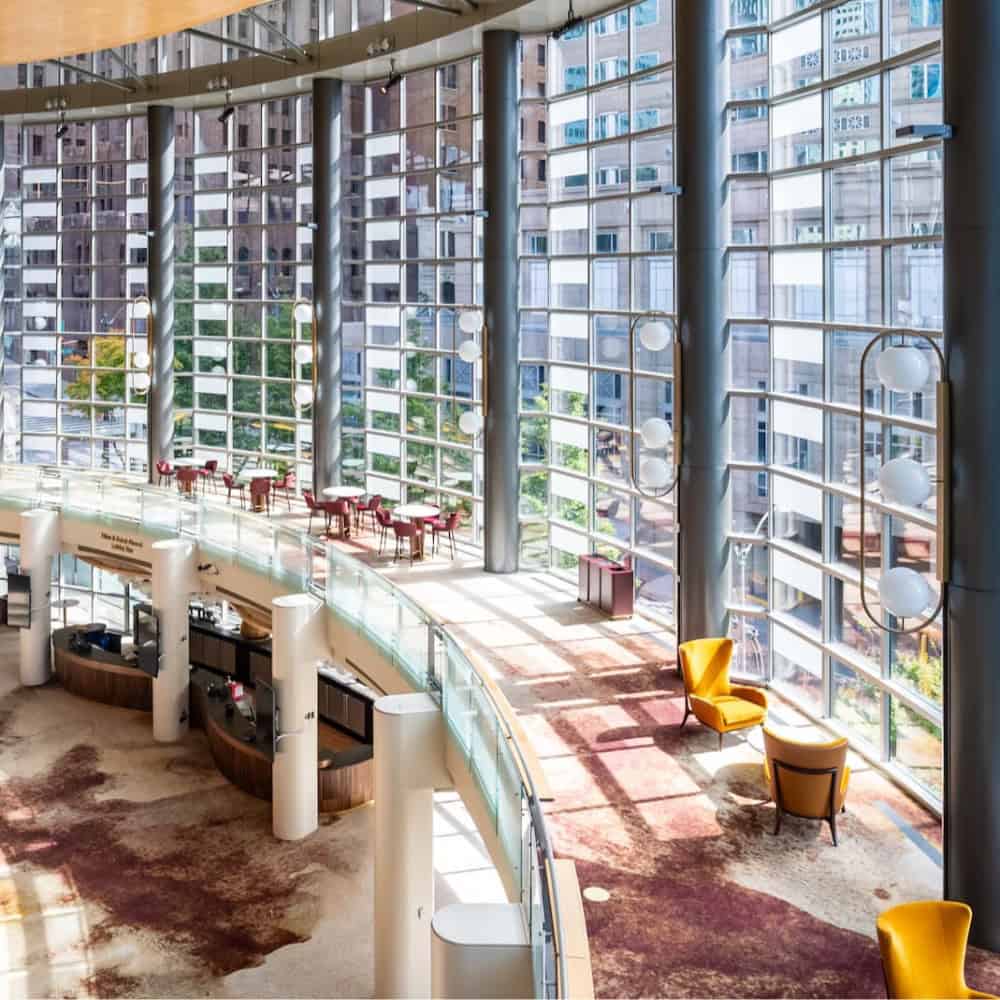
Rearview Mirror: Wedding Bells, A Furniture Launch, and the Symphony’s New Look
Things I did, saw, ate, learned, or read in the past week (or so).
WEDDING BELLS I’ve been a bit absent from this column lately, but I think I have a pretty good excuse: I got married! It’s already been three weeks since my September 19 wedding, but I’m still reflecting on the magic of the day. My fiancé, well husband now (I can’t get used to saying it!),…
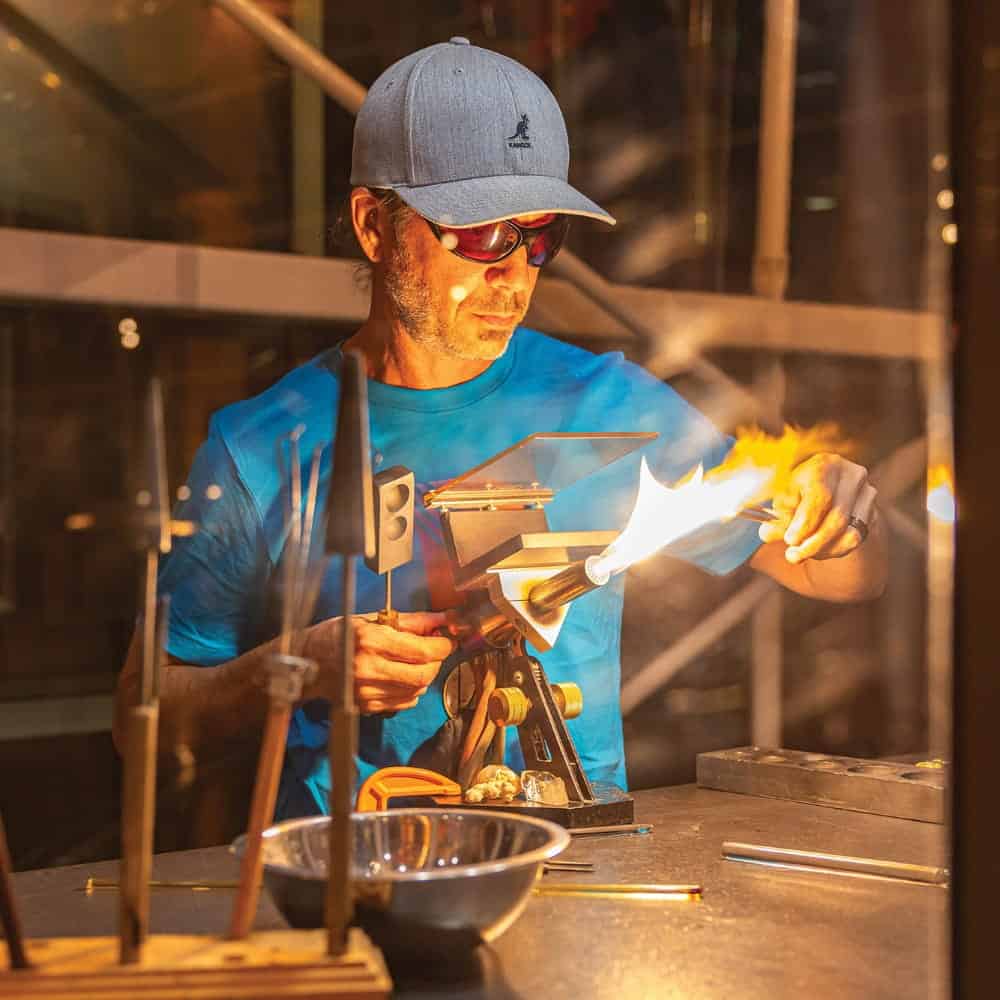
Get Blown Away: Seattle’s Glass Art Scene Takes Center Stage
Now in its 8th year, Refract Seattle is the region’s premier celebration of glassblowing—arguably the most famous visual art genre in the Pacific Northwest. Pioneered by names like Dale Chihuly, Ginny Ruffner, Lino Tagliapietra, and Preston Singletary, glassblowing has remained among the area’s most prolific creative outputs, with contemporary talents such as John Hogan, Julie…
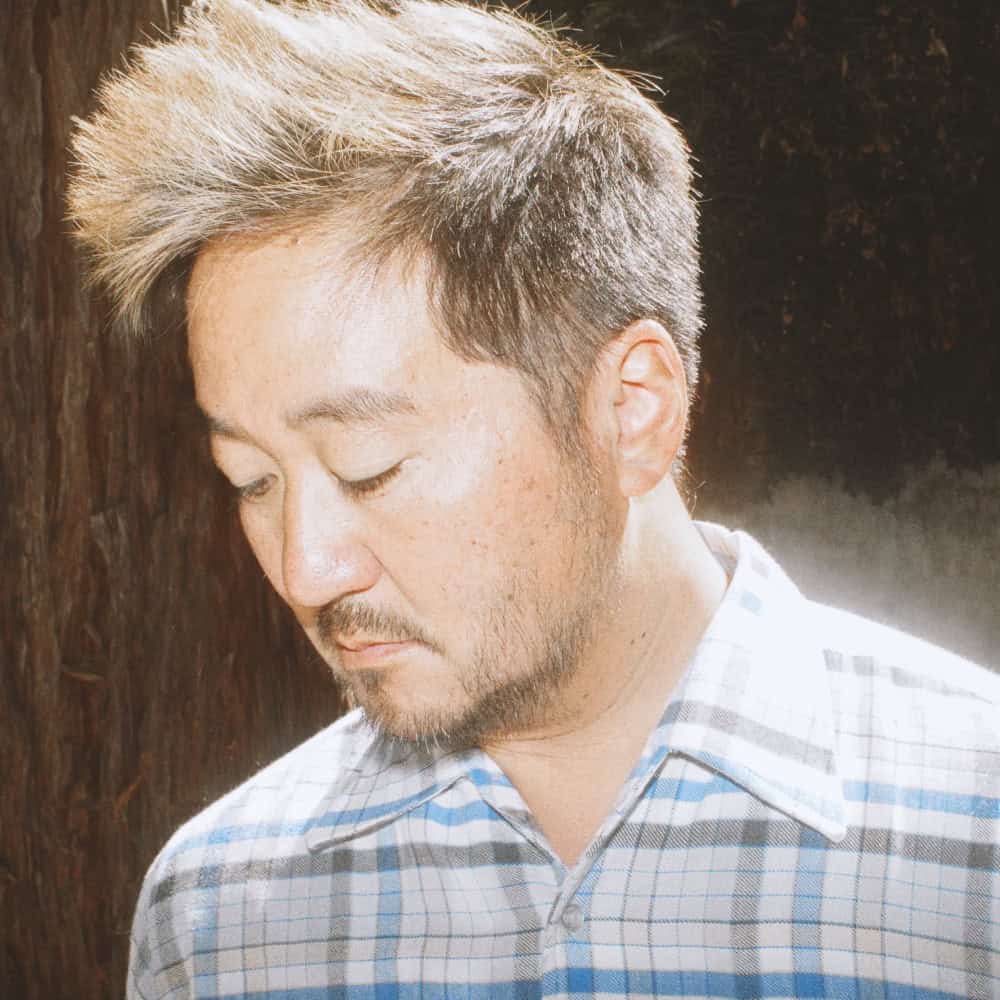
Kishi Bashi Is Ready to Feel Everything
Ten years after Sonderlust pushed his music in a new direction, he’s bringing the pivotal album to The Crocodile—and playing it in full for the first time.
Back in March of 2012, I snagged a last-minute ticket to see Of Montreal at the Showbox. As amazing as Kevin Barnes and company were, along with tourmates Deerhoof, the biggest impression made on me was the opener, Kishi Bashi. Armed with little more than a violin, a loop pedal, and a pristine voice, Kishi…
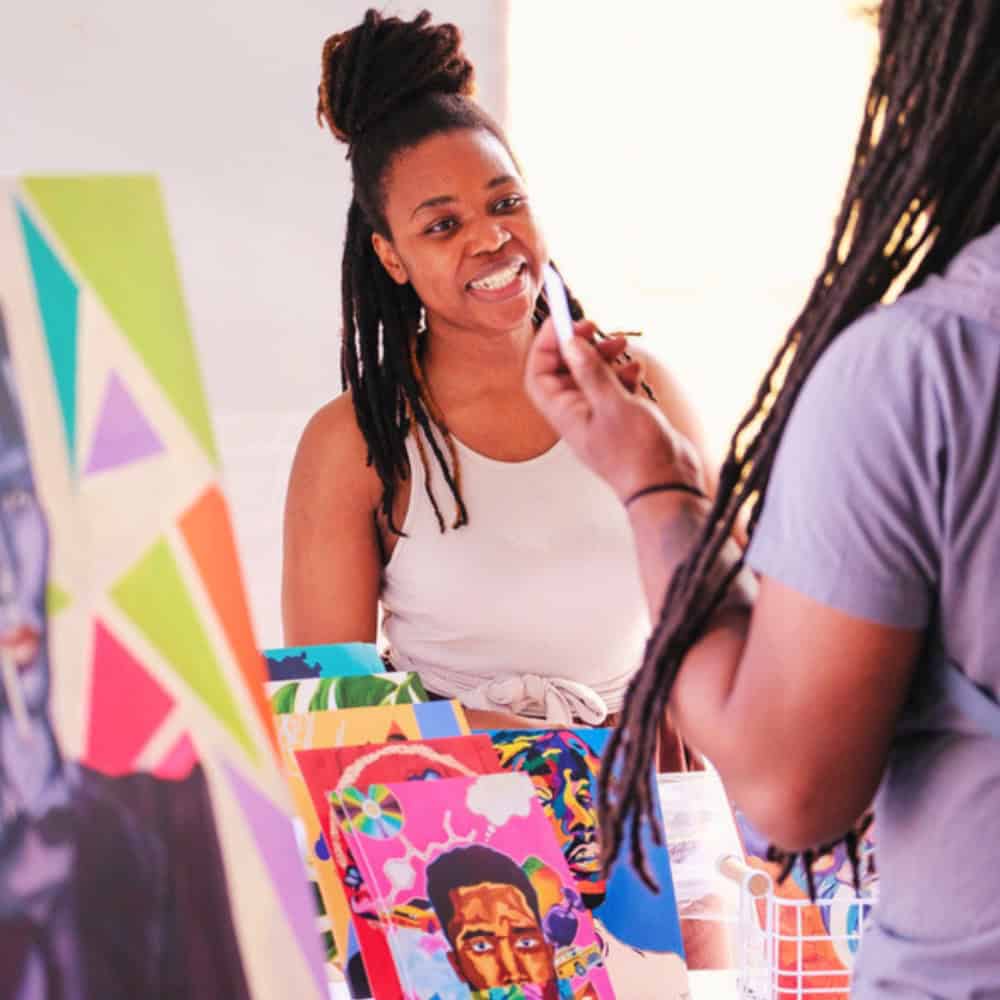
Seattle’s Artists of Color Expo Offers an Inside Look at the Creative Life
The October 9-11 gathering features live art-making and hands-on workshops, with Seattle artist Damon Brown delivering the keynote.
More than 100 artists participate each year in Seattle’s Artists of Color Expo & Symposium (ACES), which brings exhibitions, artist talks, live art-making, and workshops under one roof. Visitors can learn a technique from an artist or hear how a childhood memory became the starting point for a piece. This year’s event takes place October…