





Outdoors
Read More ›
How to Razor Clam Like a Pro
January—halfway through the season—is prime time for razor clamming. Here's how to do it right

This article originally appeared in the January 2019 issue of Seattle magazine.
This article appears in print in the January 2019 issue. Click here to subscribe.
The razor clam is a sweet, meaty mollusk native to the Pacific Northwest and is easy to find along the beaches of Washington state. The clams are a delicacy that taste even better when you’re doing the harvesting yourself. Extracting the burrowing shellfish, however, takes some skill. We asked food writer and Seattle magazine contributor Jess Thomson and Razor Clams: Buried Treasure of the Pacific Northwest author David Berger (who is waiting to see the razor clam named Washington’s official state clam—sorry, geoducks) for their tips.
1. Get licensed.
A shellfish license, widely available at sporting goods stores and other businesses, is required. A license will allow you to collect a legal bounty: a maximum of 15 clams per day.
2. Check online.
“The razor clam population is very carefully managed by the state, so only dig when and where it’s legal,” says Thomson. Check the Washington Department of Fish and Wildlife website for details of upcoming digs.
3. Dress for the weather.
Berger advises waterproof lower-torso gear to protect against incoming waves (you will be digging at or near the surf line), but also stresses the importance of mobility and comfort, as digging, he notes, requires tenacity.
4. Arm yourself.
With a clam gun, that is. Available at sporting goods stores and coastal bait shops, clam guns are tubular contraptions, often made of PVC pipe or stainless steel, that are plunged into areas of the sand where the clams show faint dimples, marking their location. Clam guns are easier to use than a shovel and give you a better chance of extracting a clam without damaging it.
5. Dig in daylight.
At least while you learn the ropes. “Nighttime digs are fun, but it’s best to have some experience under your belt before setting off into the dark,” Berger says. January’s low tides bring favorable conditions to areas such as Long Beach and Ocean Shores, popular razor clamming sites for beginners.
6. Fresh is best.
Thomson maintains the popular sentiment that razor clams are best eaten as a fresh catch. “Plan to shell or cook your clams immediately,” she says. Some beach resorts and Airbnb properties will have amenities for cleaning and cooking your clams; if not, Thomson suggests “drinking lots of coffee if you’re heading back to Seattle.”
Follow Us

Best Resort/Hotel: Populus Seattle
Once again, Populus Seattle has taken the gold for Best Hotel. A gem in Pioneer Square, this 120-room property—part of the neighborhood’s Railspur micro-district—is an adaptive reuse project that converted the century-old Westland Building into an inviting, art-forward space with a beloved rooftop bar, Firn. (It’s the only rooftop bar in the neighborhood.) The rooms…
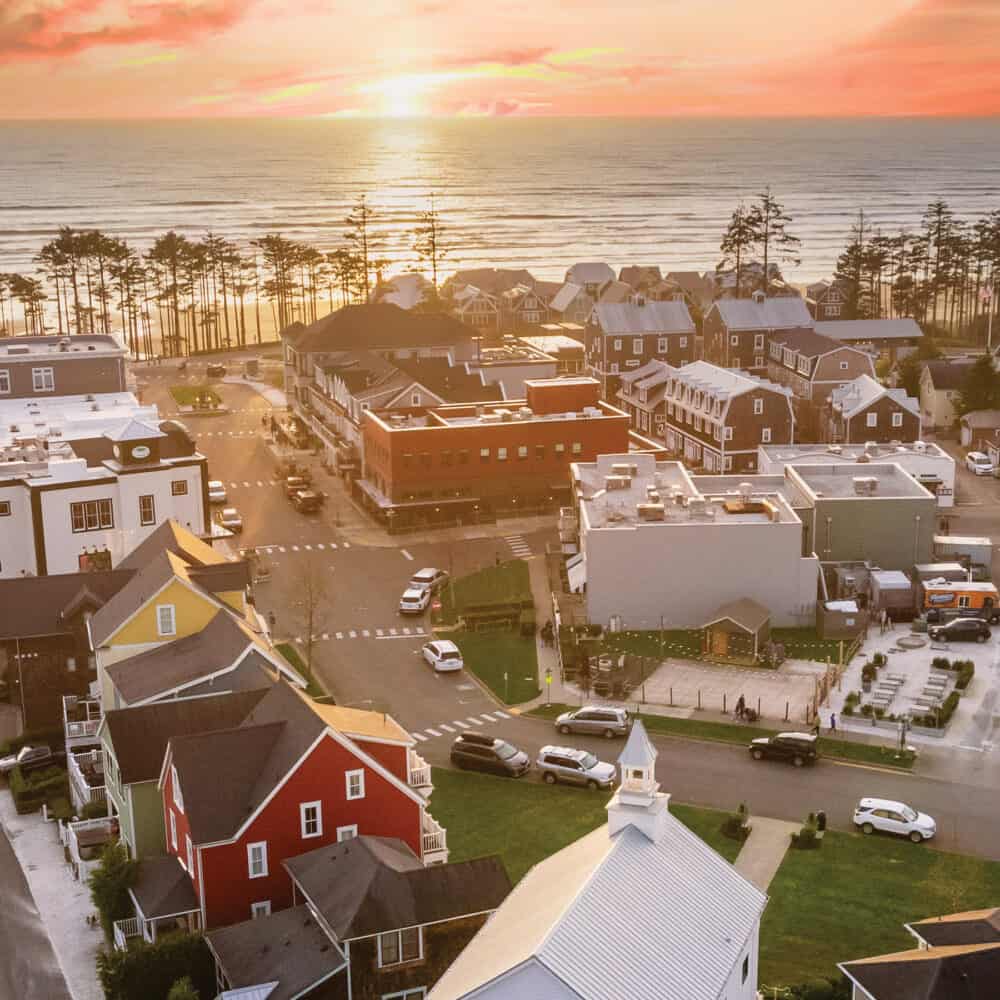
Best Road Trip: Seabrook
Why not take the long way to the beach? Seabrook is about 145 miles (that’s just under three hours) from Seattle, with no mountain pass or ferry reservation required. Stop for coffee in Olympia, bounce through Elma, Montesano, and Aberdeen, then get a dose of Grays Harbor history at Hoquiam’s Polson Museum before turning north…
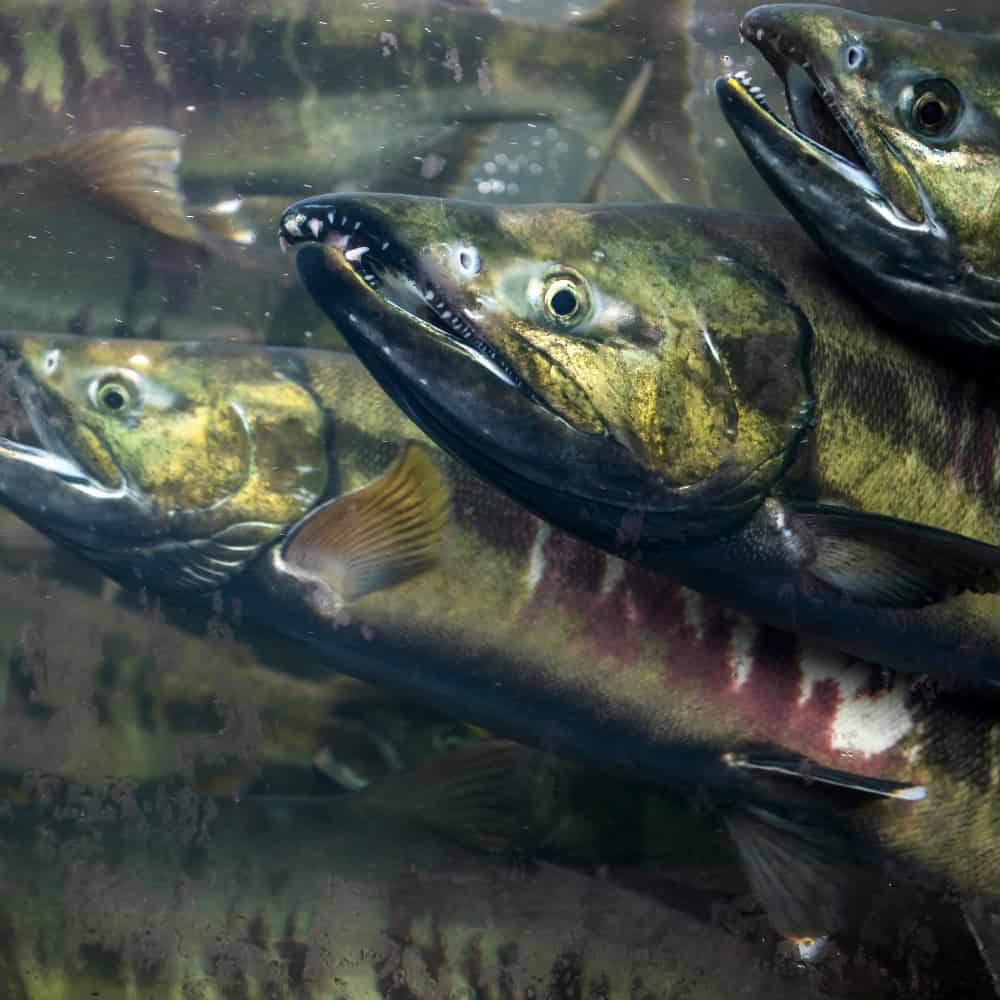
Where to See Seattle’s Chum Salmon Run Up Close
Every November and December, one of the city’s most remarkable wildlife spectacles unfolds in a narrow creek tucked into the forest of Carkeek Park.
Each fall, chum salmon, fresh from Puget Sound, muscle their way up Piper’s Creek to spawn, pushing through shallow riffles, around fallen branches and over gravel bars in a final journey that can bring wild salmon within a few feet of visitors. For several weeks in November and December, the park becomes one of the…
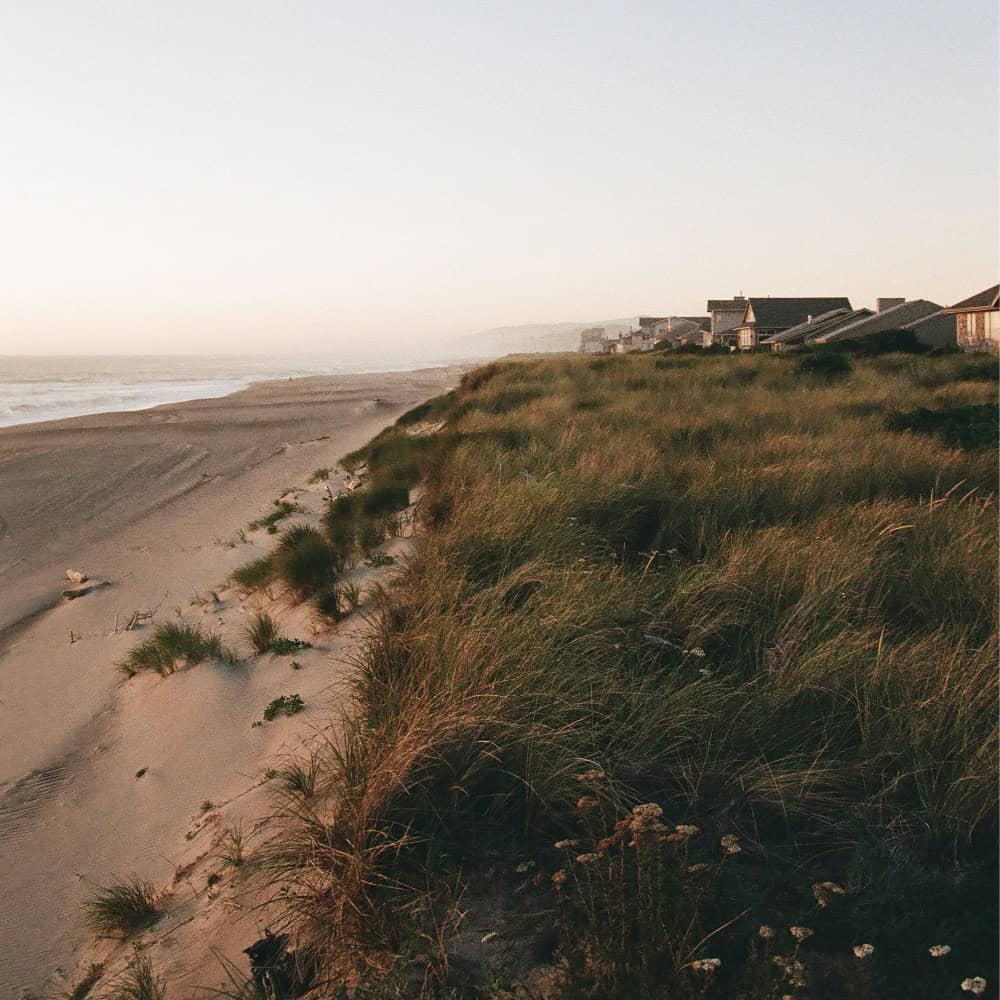
A New Perspective on the Oregon Coast
Beyond the usual suspects like Astoria and Cannon Beach lie 300 miles of open road.
The Oregon Coast is a beguiling drive year-round, but autumn is when it feels most vital. The colors deepen, whales loiter in the shallows, and kites swoop against gray skies dappled with bursts of sunlight. At Tillamook Bay, Highway 101 veers inland through fifty miles of old-growth forest before re-emerging along the water. On this…