




Health + Fitness
Read More ›
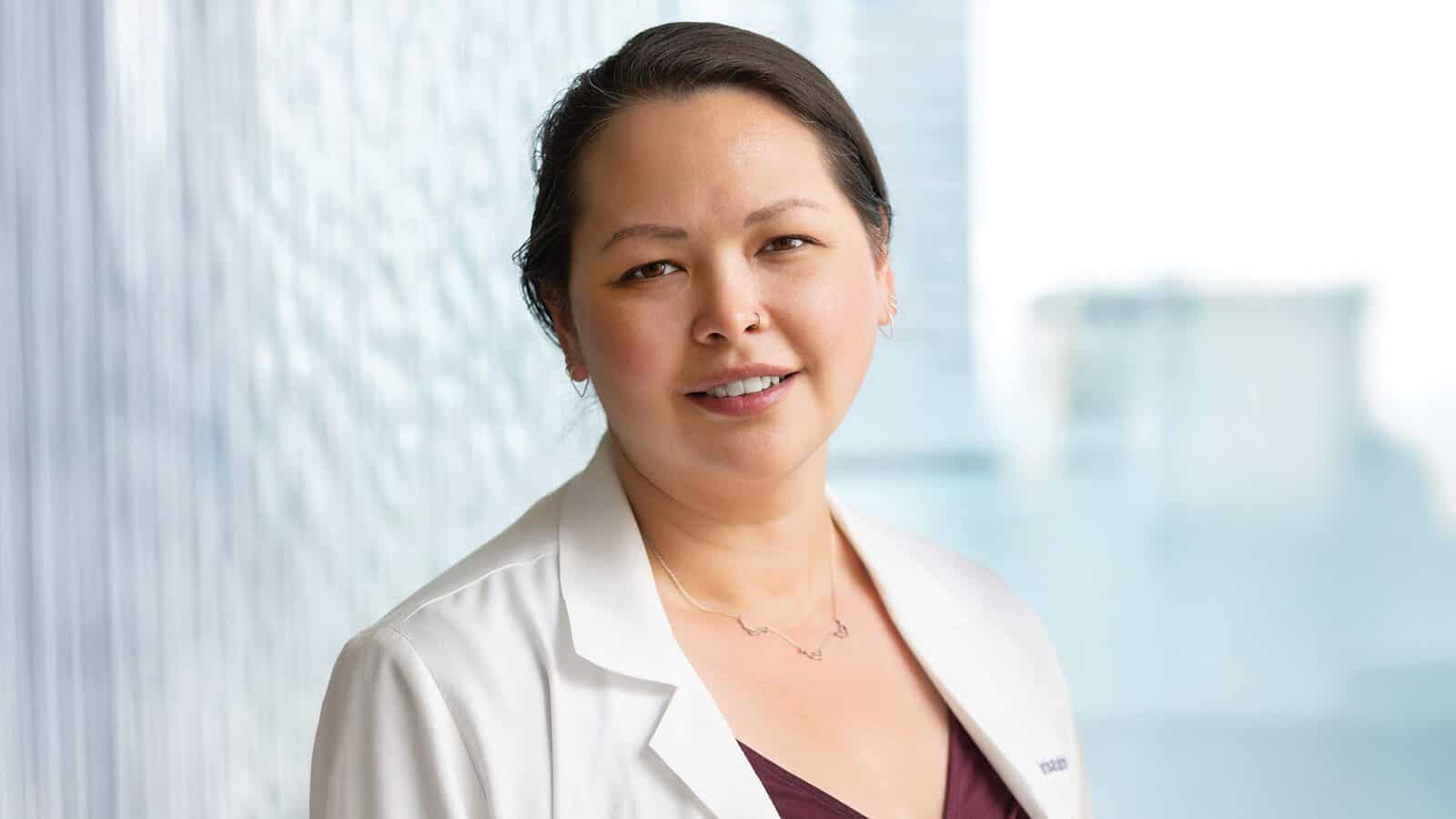
Dr. Marisa Dahlman, M.D.
Obstetrics and gynecology, Virginia Mason Seattle Gynecology
This article originally appeared in the July/August 2025 issue of Seattle magazine.
Every year, we ask a few of Seattle’s Top Doctors to share what inspires them to practice medicine, the advice they give most often, and what they think the future holds for healthcare. These interviews are part of Seattle magazine’s annual Top Doctors feature, created in partnership with Castle Connolly. None of the doctors paid to be included — all are nominated by their peers.
What inspired you to become a doctor?
I started college interested in studying biology. It quickly became obvious that I would miss the human connection to what I was studying, so I made the decision to pursue medicine. Medicine offers the opportunity to apply basic science, along with physiology and anatomy, to help an individual person with a medical problem that may be impacting their daily life and create lasting and positive change. Every interaction with a patient presents a new opportunity for connection and healing.
What’s one thing about being a doctor that most people misunderstand?
We are patients too! I understand the frustration of hanging on the phone waiting to talk to a person to make an appointment, the complexity of managing your job and your family and your health, the fear when something is wrong and you don’t have an explanation. I approach patient care with this perspective of shared experience and shared humanity each day.
What’s something in medicine you believe will be totally different in 10 years?
Today, we spend hours on our appointment summaries and documenting patient care notes. I am very much looking forward to the day when I finish talking to a patient and an accurate and concise AI-generated summary is waiting for me to sign. The amount of time currently spent on documentation is a major contributor to physician burnout and attrition. The less time and energy we have to spend on the computer, the more we will have to care for our patients.
Have you ever had a patient diagnose themselves correctly?
All the time. So many of the patients who ultimately choose to have surgery suspect their diagnosis before they even meet me because of their own research. As a specialist in women’s health, and particularly in the surgical treatment of conditions like endometriosis (a disease where uterine-like tissue grows in other parts of the body) and fibroids (noncancerous growths in the uterus), I see so many patients who have put up with their symptoms for years, assuming, and often being told, that they just had to grit their teeth and get through, that there was nothing to be done for things like severe pain or heavy bleeding. More and more women are talking about this now, looking for explanations, asking their friends and seeking opinions outside of a doctor’s office. This openness has reduced stigma and allowed my patients to realize they can get help.
What’s one myth about health or medicine that you wish would go away?
The idea that vaccines cause autism. This dangerous perception persists despite mountains of evidence to the contrary. Vaccines save lives, prevent cancer and stop the spread of virulent disease.
What’s the most unusual case you’ve ever encountered?
As an endometriosis specialist, I’ve seen endometriosis in some truly strange place, including once in someone’s sinuses. The patient had nosebleeds every month during her periods, and an ear, nose and throat doctor biopsied endometrium from their nose.
What’s one piece of advice you wish every patient followed?
Your relationship with your doctor should be a partnership. That sometimes means you need to meet with a few people to find someone you’re comfortable with. If you aren’t communicating well, or aren’t being heard, or are uncomfortable in any way, moving on and finding someone else is not a reflection on you or your doctor. It’s just not the right fit.
If you could change one thing about the healthcare system, what would it be?
In an ideal world, a patient and a doctor would have an open discussion about symptoms, potential diagnoses and treatment options. They would then choose a plan of action based on the patient’s priorities and the physician’s best evidence-based recommendations. Today, with health care delivery, there can be limitations on what a patient can access. It may be difficult to get an appointment, some medications are covered by insurance and others are not, surgeries may be denied. I wish that patient care delivery could be a simple, collaborative, problem-solving endeavor rather than a complex negotiation with third-party payers.
Follow Us
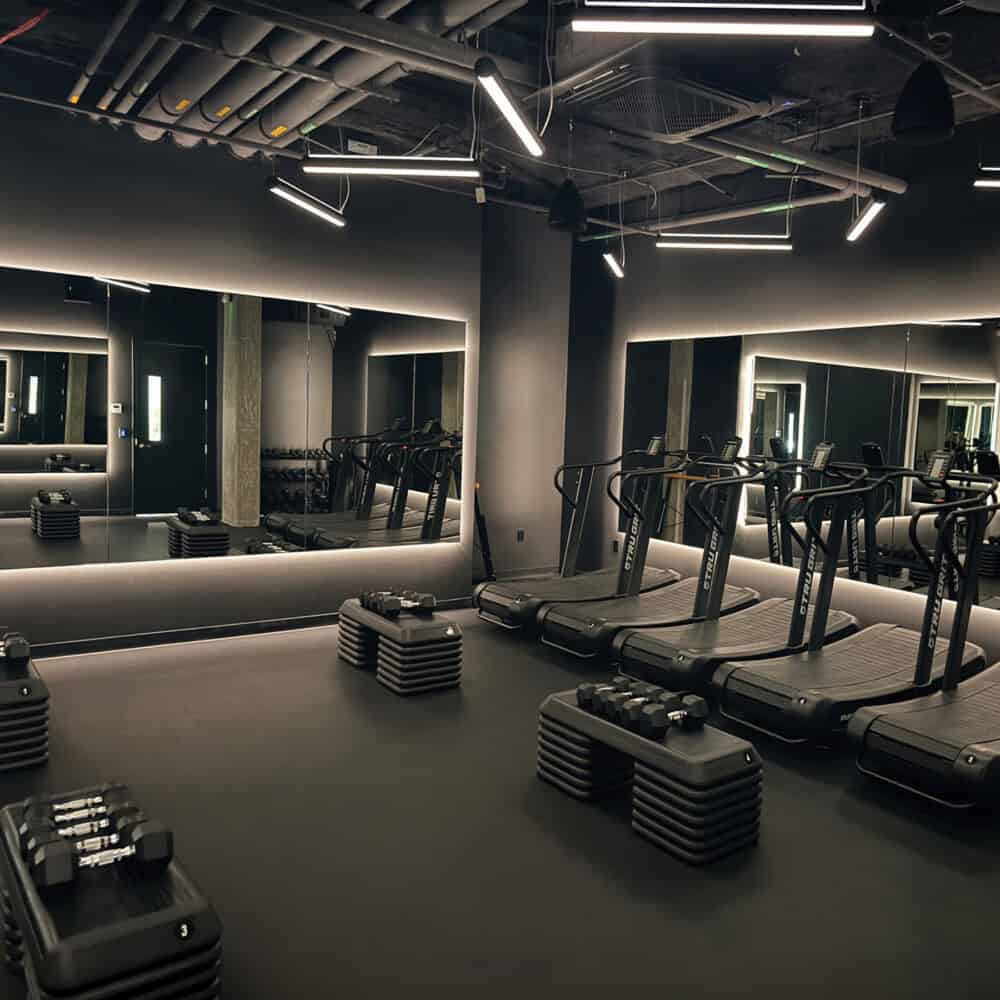
Best Fitness Studio/Gym: MVMT/MTHD
MVMT/MTHD opened in Lower Queen Anne in 2025 with a workout philosophy that’s pretty easy to understand: build a body that will serve you well for a long time. One side of the studio offers Lagree, a hardcore, high-intensity, low-impact workout performed on a MegaPro machine using slow, controlled movements and resistance to build strength…

Best Spa: MoonRise Spa
Relaxing at the MoonRise Spa starts before your appointment with a trip to the indoor pool and lounge. Continue the journey in the Western red-cedar dry saunas, eucalyptus steam rooms, and an outdoor hot tub on a deck overlooking the valley below. Treatment menus are nature-inspired and cover plenty of ground, with stone massages, skin-enhancing…
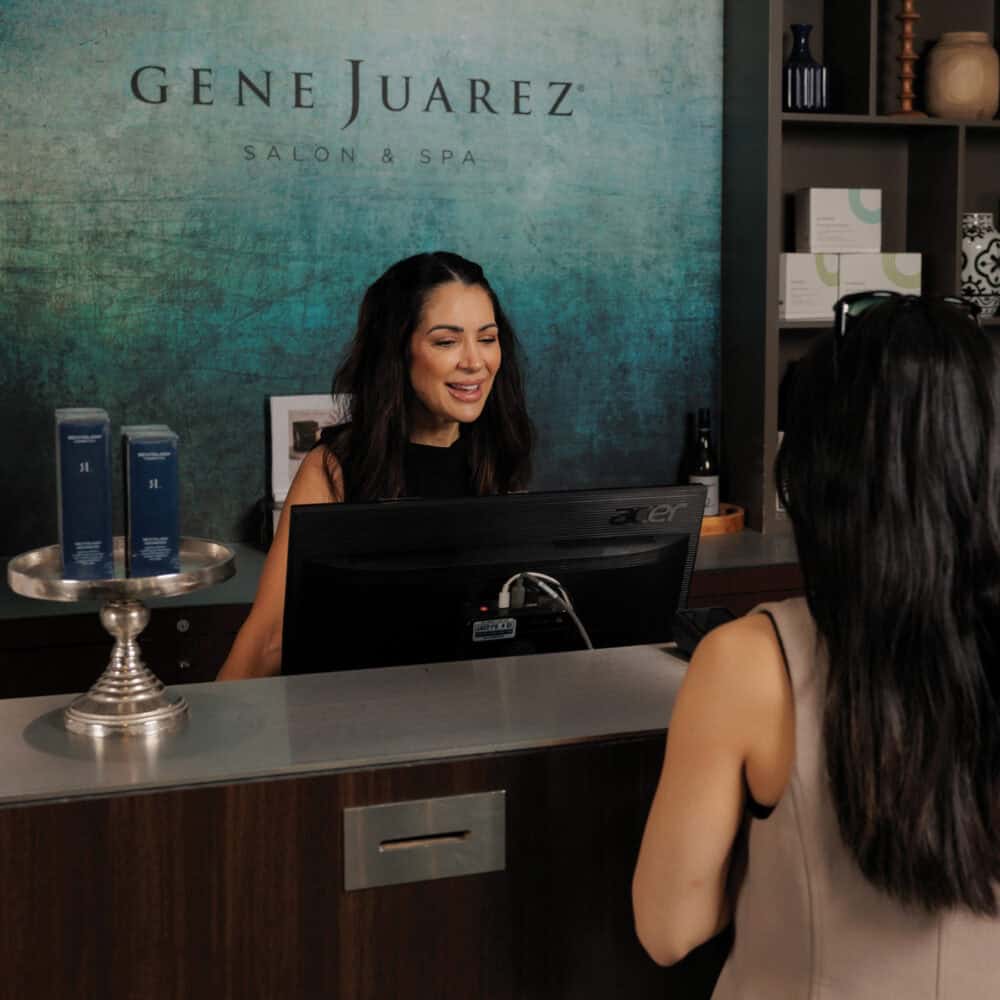
Best Salon: Gene Juarez
In the 1970s, a stylist from Wapato, Washington, went to London to study at the famed Sassoon Academy. After a month, he returned to Seattle with pioneering handheld-hair dryer styling techniques—and went on to launch a hair salon empire. That stylist was, of course, Gene Juarez, and his namesake brand still has a dozen salons…
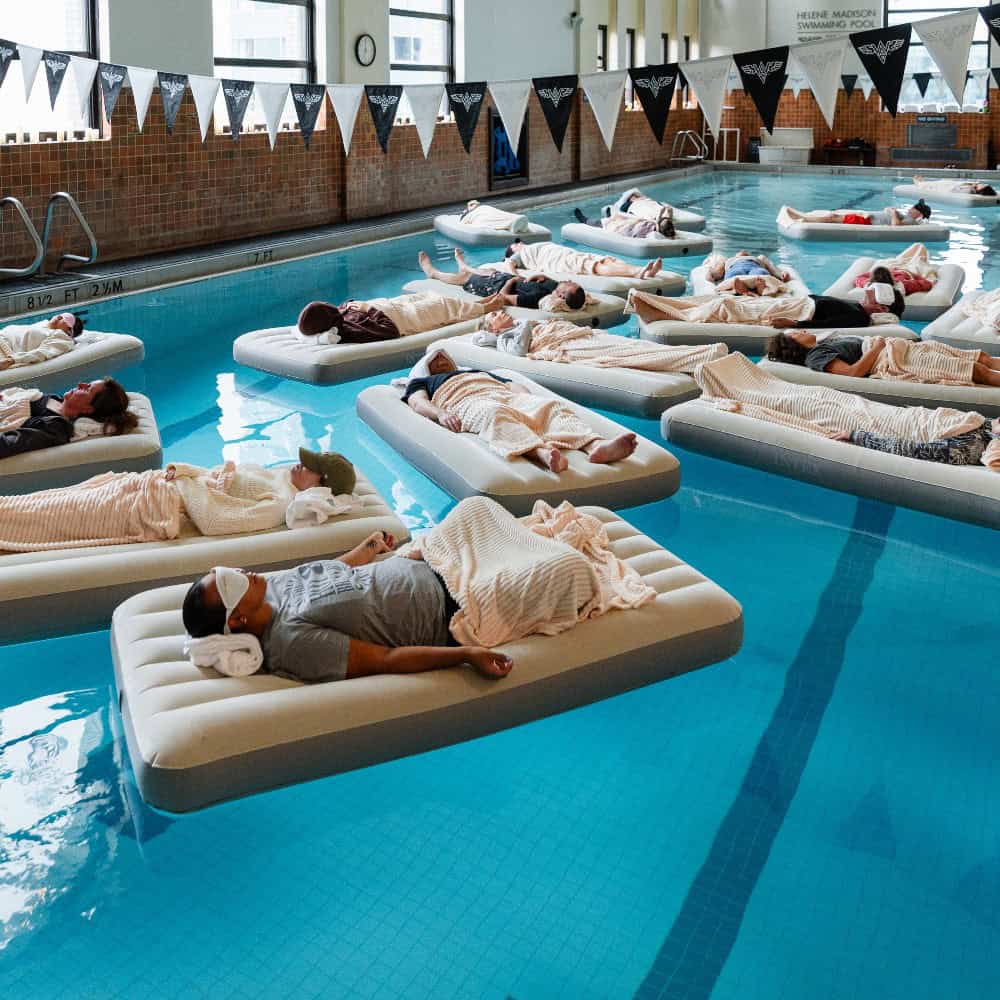
Can a Sound Bath Wash Away Stress?
A first-time experience at the Washington Athletic Club offers a different way to unwind during the busy holiday season.
The sound of the singing bowl vibrated in my ears so strongly that I felt it traveling through my body. Next came the Kenari shaker—the noise fluttering throughout the room like leaves rustling in the wind. A gong sounded, keeping me awake and aware, connecting me to the floor I was lying on, next to…